From Soil Health to Flavor: What Brix Really Tells Us
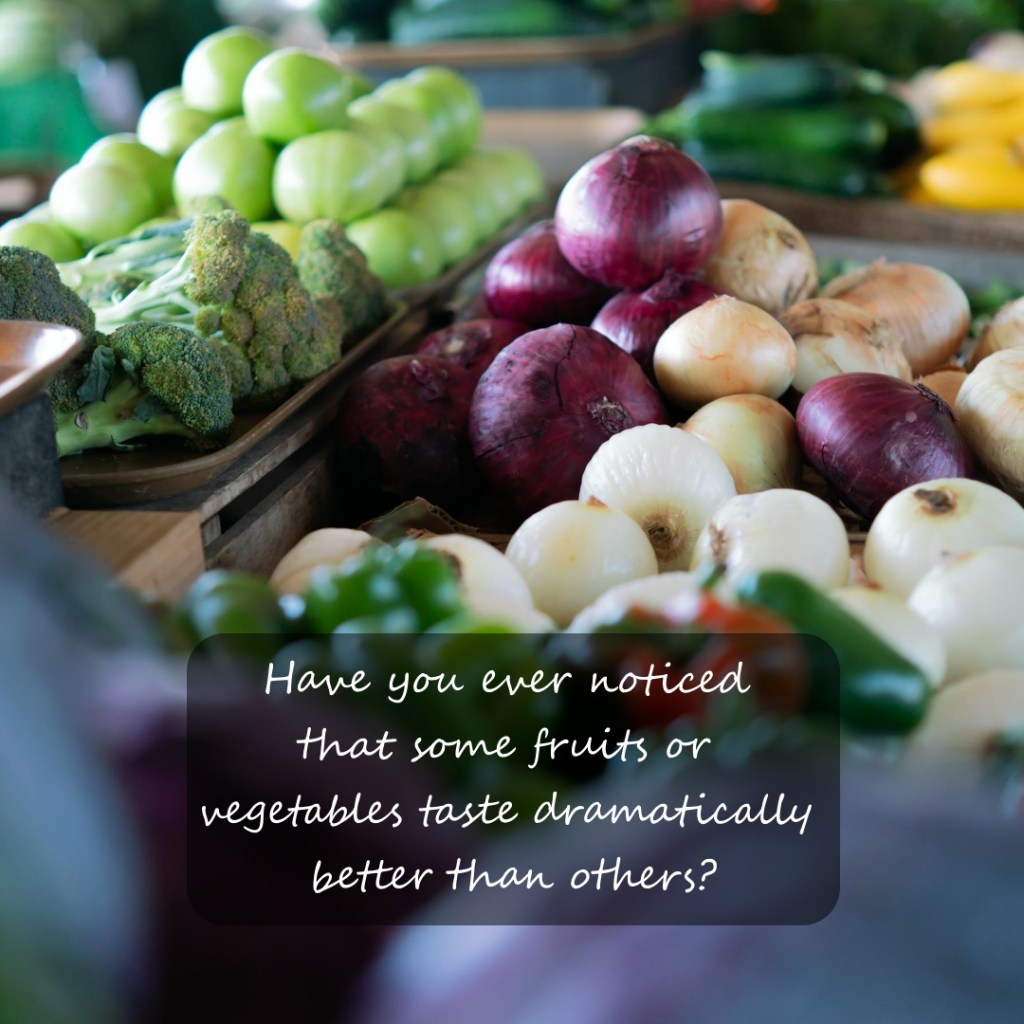
Why do some vegetables taste rich, vibrant, and alive — while others look good but taste flat?
The answer often begins in the soil.
This 8-part video series walks you step-by-step through Brix testing — what it is, how to measure it, what the numbers mean, and why it matters for growers and consumers alike.
Whether you’re a farmer, gardener, or food-curious consumer, this series gives you practical tools to understand plant vitality in a measurable way.
🌱 What You’ll Learn
✔ What Brix actually measures
✔ How to calibrate and use a refractometer
✔ How to interpret Brix readings
✔ Why there is no universal vegetable standard
✔ Why Brix isn’t on food labels
✔ How soil health influences dissolved solids
✔ What consumers can do today
✔ How to turn Brix into a tasting experience
🎬 The 8-Segment Breakdown
1️⃣ Why Brix Matters
Brix measures total dissolved solids in plant juice — not just sugar, but minerals, amino acids, and other compounds linked to plant vitality.
Higher Brix often correlates with:
- Better flavor
- Stronger cell structure
- Improved plant resilience
- More complete soil function
This segment explains why growers use Brix as a quick, real-world indicator of plant health.
2️⃣ How to Calibrate a Refractometer
Before testing anything, accuracy matters.
Learn:
- How to calibrate with distilled water
- Why temperature affects readings
- How to zero your instrument properly
- Common mistakes to avoid
Reliable data starts with proper setup.
3️⃣ Performing an Actual Brix Test
Testing vegetables is simple — if you know how.
This segment shows:
- How to extract plant sap
- How much juice you need
- Where to place it
- How to read the scale
Brix testing takes less than a minute — and turns curiosity into measurable insight.
4️⃣ What Brix Readings Mean (and How to Improve Them)
What’s a “good” Brix number?
We break down general reference ranges:
- Under 6 — Low
- 6–8 — Average
- 8–12 — Good
- 12+ — Excellent
Then we explain how to improve readings naturally through:
- Balanced minerals
- Living soil biology
- Compost and organic matter
- Proper harvest timing
5️⃣ Is There a Universal Brix Standard?
You’ve probably seen Brix charts online.
But are they official?
This segment clarifies:
- What’s science
- What’s convention
- Why different crops vary naturally
- Why Brix works best as a comparison tool
Brix is not a universal grade — it’s a context-based signal.
6️⃣ Why Isn’t Brix on Produce Labels?
If Brix is useful, why isn’t it printed at the grocery store?
We explore:
- Why Brix varies with ripeness and timing
- Why food labels require stable, repeatable numbers
- The regulatory challenges
- Where voluntary transparency might fit
It’s a labeling reality conversation — not a conspiracy.
7️⃣ What Consumers Can Do Instead
No Brix label? You still have tools.
Learn how to:
- Choose seasonal produce
- Ask growers meaningful questions
- Recognize sensory signals of vitality
- Test at home with an affordable refractometer
Awareness beats assumption.
8️⃣ Bringing It All Together
Brix isn’t about chasing numbers.
It’s about paying attention — to soil, to flavor, to growing practices, and to the invisible qualities that make food truly good.
In the final segment, we show how to:
- Host a Brix tasting night
- Compare grocery store vs. local produce
- Turn food into a learning experience
Good food brings people together.
Brix gives us a new way to notice it.
🔬 Who This Series Is For
- Regenerative farmers
- Market growers
- Gardeners
- Soil consultants
- Nutrition-curious consumers
- Anyone who wants to connect soil health to flavor
🌎 Why This Matters
When soil biology functions well, plants accumulate more dissolved solids.
Those dissolved solids often show up in flavor first.
Brix is not a nutrition label.
It’s not a guarantee.
It’s not a single answer.
But it is a useful lens — one that connects soil decisions to measurable plant outcomes.
And that conversation is just beginning.
📥 Bonus: Free Resources
Printable Brix reference chart – links to bionutrient.org for their Brix chart
👉 Download these Free Guides
🌱 What Life Shows
Healthy soil leaves signals.
Stronger plants leave signals.
Good food leaves signals.
Brix simply helps us measure what life is already showing.
 What Life Shows
Leave a comment