
🌱 Soil Health Tools: What You Actually Need (And What You Don’t)
Before buying any tool, understand this:
You’re not buying equipment — you’re buying better decisions for your soil.
Each tool comes in low, mid, and professional tiers, and the right choice depends on:
- How long you want it to last
- How often you’ll use it
- How accurate you need results
As an Amazon Associate I earn from qualifying purchases.
The Amazon links are affiliate links. If you purchase through them we may earn a small commission at no additional cost to you. Note that you don’t have to buy what we recommend but if you use our link, we may still earn a small commission (which we really appreciate, thank you!)
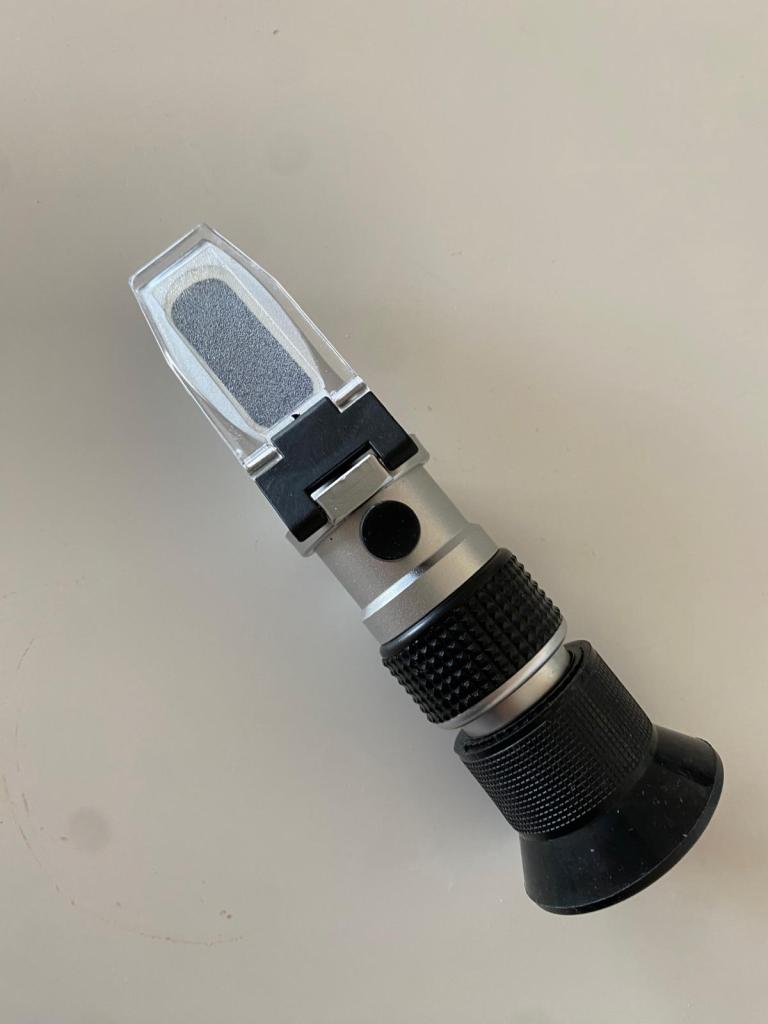
🔬 REFRACTOMETERS (Brix Testing)
Measures Brix, which reflects dissolved solids in plant sap.
Growers use it to compare crop quality and plant vitality.
| 🪙 Low Cost | ⚖️ Mid-Range | 🏆 Professional |
|---|---|---|
| $15–$30 | $30–$70 | $70–$200+ |
| What you get: Basic Brix readings Manual calibration Lightweight construction | What you get: More consistent accuracy Better optics and calibration stability More durable casing | What you get: High precision optics Temperature compensation (automatic) Long-term durability |
| Trade-offs: Can lose calibration easily Less precise readings Shorter lifespan | Why it’s often the smartest choice: Doesn’t need constant recalibration Reliable enough for real comparisons | Why go pro: You’re making decisions based on small differences You want consistent, repeatable data |
| 👉 Good for: Beginners testing occasionally Learning how Brix works | 👉 Best for: Regular gardeners Anyone tracking crop improvement | 👉 Best for: Market growers Soil consultants Data-focused gardeners |
| https://amzn.to/415YPnJ | https://amzn.to/4te8aWm | https://amzn.to/4sAs9yI |
💡 Key Insight
If your readings aren’t consistent, your decisions won’t be either.
Remember to get your garlic press too…
| Garlic Press | https://amzn.to/4v48VTW |
| Surprisingly effective for extracting sap from vegetables. |
If you would like to support Bionutrient.org and buy their Bionutrient Brix Kit, follow this link.
This is not an affiliate link.
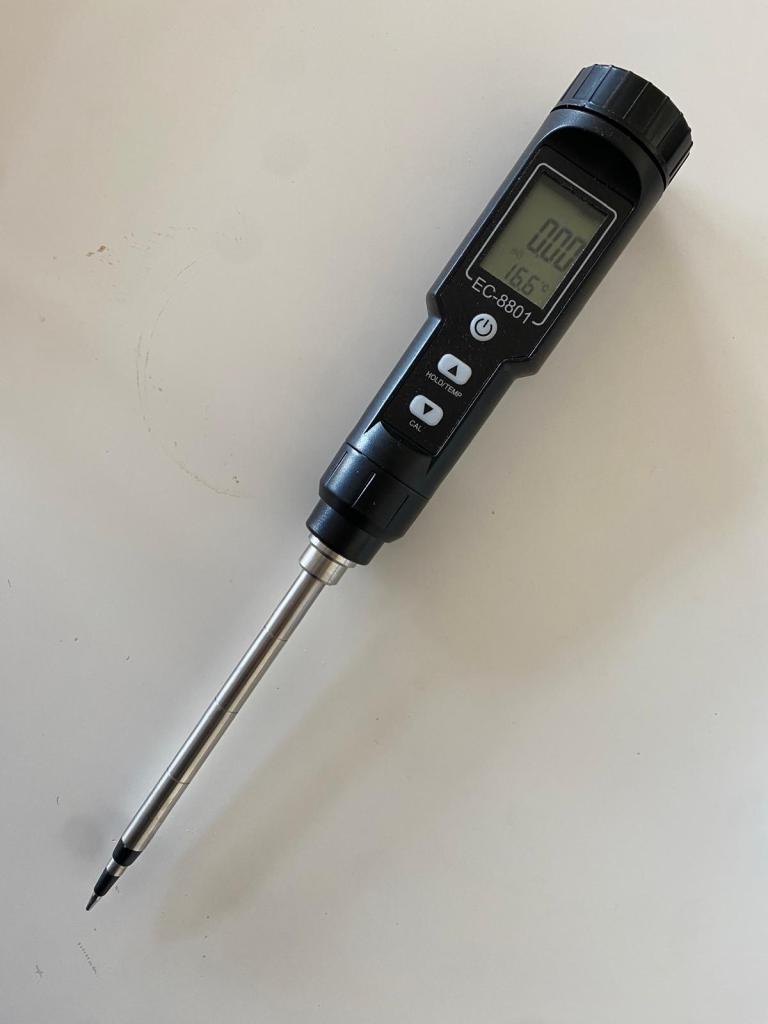
⚡ EC METERS (Soil Conductivity)
Measures electrical conductivity (EC) in soil or water.
| 🪙 Low Cost | ⚖️ Mid-Range | 🏆 Professional |
|---|---|---|
| $20–$50 | $50–$120 | $120–$300+ |
| What you get: Basic conductivity readings Simple interface | What you get: Faster, more stable readings Replaceable probes (sometimes) Better calibration reliability | What you get: Lab-level accuracy Highly stable readings Rugged, field-ready build |
| Trade-offs: Slower readings Drifts over time Less durable probes | Why it’s ideal: Accurate enough for soil decisions Holds calibration longer | Why go pro: You rely on data for production You test frequently across locations |
| 👉 Good for: Occasional checks Learning soil variability | 👉 Best for: Seasonal soil testing Tracking improvements over time | 👉 Best for: Regenerative farmers Consultants Intensive growers |
| https://amzn.to/3NSmLYA | https://amzn.to/4bVIhnk | https://amzn.to/41wZ3V4 |
💡 Key Insight
Cheap EC meters don’t just wear out — they can slowly become wrong without you noticing.
If you would like to support Bionutrient.org and buy their Electro-Conductivity Meter, follow this link.
This is not an affiliate link.
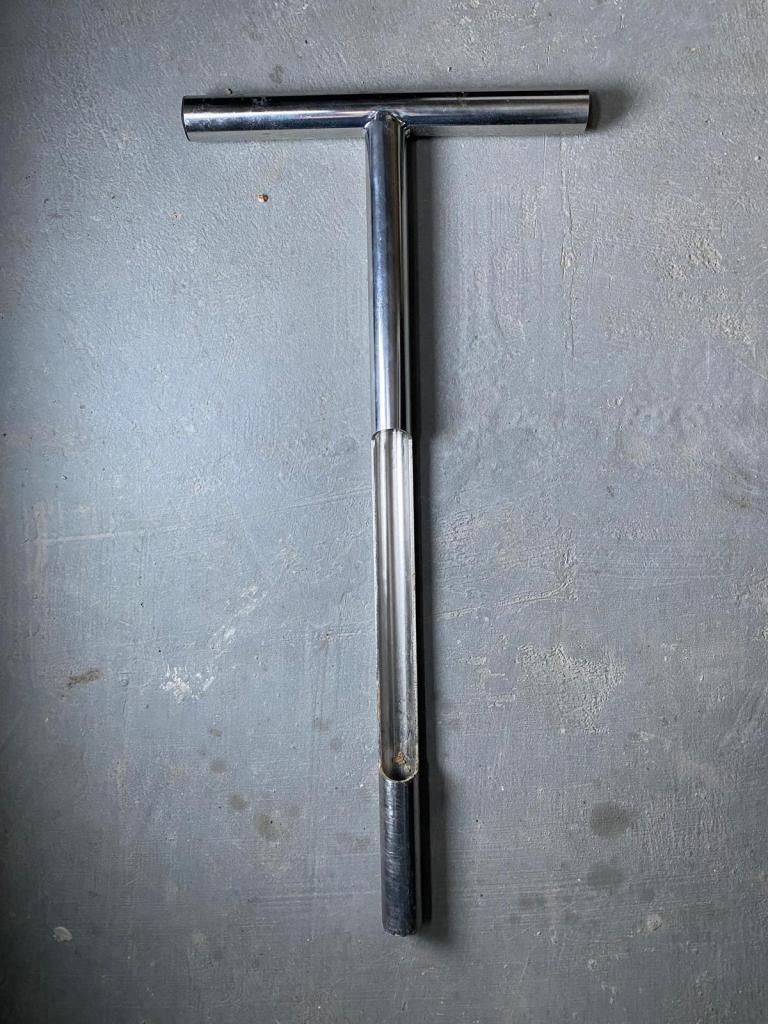
🧱 SOIL SAMPLERS
Used to extract consistent soil samples.
Accurate soil testing requires consistent sampling depth and location.
| 🪙 Low Cost | ⚖️ Mid-Range | 🏆 Professional |
|---|---|---|
| $15–$40 | $40–$100 | $100–$250+ |
| What you get: Basic metal or plastic construction Shallow sampling capability | What you get: Stronger steel construction Consistent core sampling Better ergonomics | What you get: Heavy-duty stainless steel Deep, consistent core samples Built for long-term field use |
| Trade-offs: Bends or dulls quickly Inconsistent depth sampling Harder to use in compact soil | Why it’s worth it: More accurate samples = better decisions Easier to use in real soil conditions | Why go pro: You sample frequently You want lab-quality consistency |
| 👉 Good for: Light garden soil Occasional use | 👉 Best for: In-ground beds (your setup) Regular seasonal sampling | 👉 Best for: Orchard management Soil consultants Long-term land monitoring |
| https://amzn.to/4dMfKTO | https://amzn.to/4tkE8AA | https://amzn.to/4cdT4dT |
💡 Key Insight
If your sample isn’t consistent, your test results are meaningless.
If you would like to support Bionutrient.org and buy their Bionutrient Garden Kit (and you are in the USA), follow this link.
This is not an affiliate link.
Testing Workflow
How these tools work together:
- Refractometer tests plant health
- EC Meter tests soil health
- Soil Sampler extracts soil for mineral analysis and soil life.
Together they help reveal:
soil → plant → food quality
If you start with the Refractometer and your Brix scores are within the expected ranges for good or excellent quality, then there is no need to get the EC Meter and the Soil Sampler since the system is working as expected.
However, if the Brix scores are poor or average, then the EC Meter would be the next purchase to see whether the soil environment is functioning as expected. If the EC Meter readings show high availability but the Brix scores are low then the Soil Sampler would be required to understand the mineral makeup and soil life.
All 3 readings allow for the best possible analysis and outcome.
🌱 Final Thought
The goal isn’t to own the best tools — it’s to make better decisions for your soil.
If a tool helps you:
- Avoid wasting amendments
- Improve plant health
- Grow more nutrient-dense food
…it pays for itself quickly.
 What Life Shows